
Herefordshire Is Built of Timber, Stone and Slate
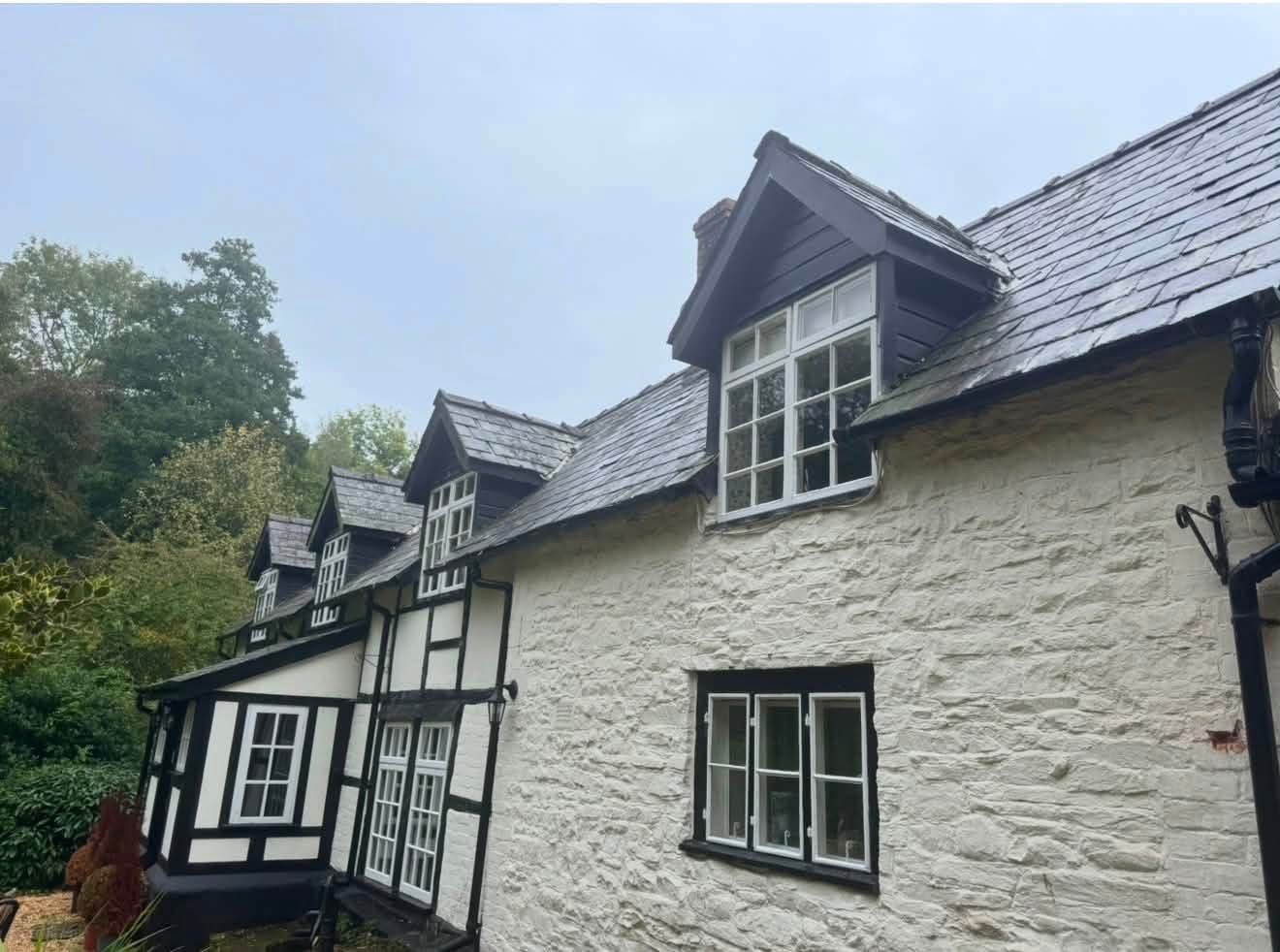
This county has one of the finest collections of timber-framed buildings in England: black-and-white farmhouses, medieval hall houses, Georgian townhouses and Victorian estate cottages, most of them roofed in materials that were quarried or fired within a few miles of where they stand.
They do not respond well to modern shortcuts. Cement mortar cracks and traps damp against soft brick and stone. Non-breathable membranes rot historic rafters from underneath. A skip full of hand-made clay tiles thrown away and replaced with a machine-made lookalike takes a century of character with it.
We work the other way round: survey what is there, salvage and reuse everything sound, match what has to be replaced, and repair the structure rather than covering it up.
- Existing slates and tiles carefully stripped, sorted and set aside for reuse
- Replacement materials matched for size, colour, texture and local character
- Lime mortars and breathable build-ups that let old fabric dry out
- Rotten and beetle-damaged timbers spliced or replaced in like-for-like timber
- Members of The Guild of Master Craftsmen
Approved, Assessed and Accountable
Independent bodies have checked how we work and what we leave behind. These are the ones that count on a roof.
IKO Approved Contractor
Approved by IKO on their Specification Roofing Range, so manufacturer-backed system guarantees are available on qualifying flat roof work.

The Guild of Master Craftsmen
Members of the Guild, independently vetted on quality of workmanship, reliability and the way we deal with customers.
Traditional Roofing Skills, Kept Alive
The techniques below are the ones that keep period roofs standing for another hundred years. They take longer than a modern re-cover, and they are worth it.
Natural Slate Roofing
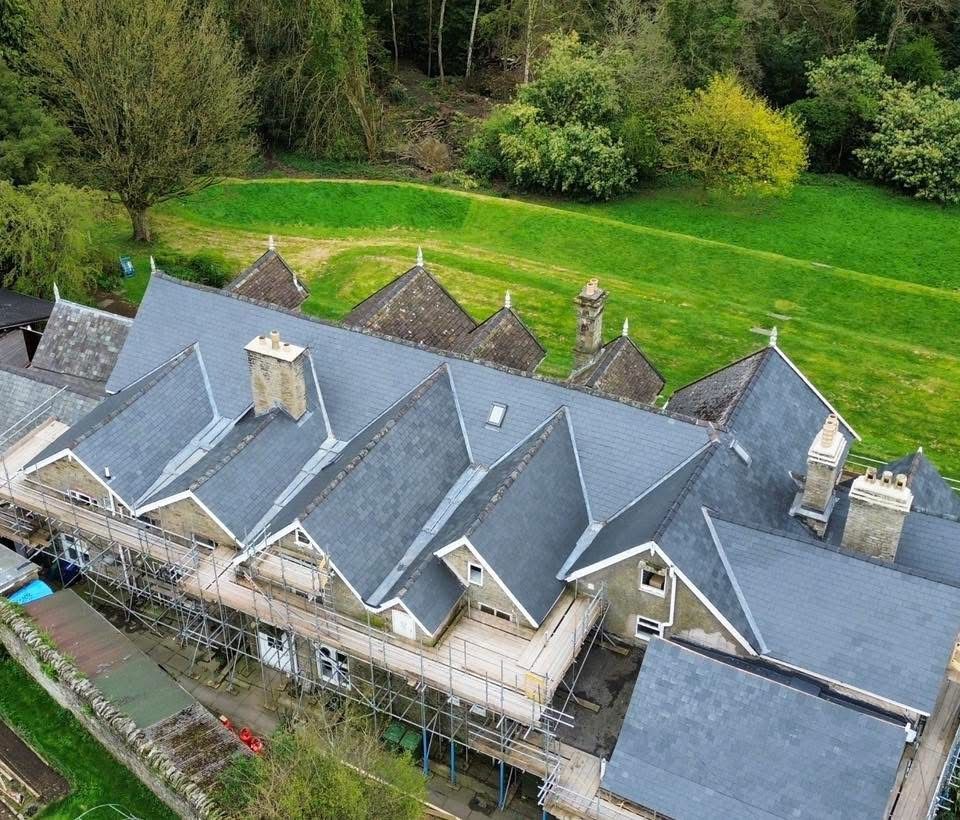
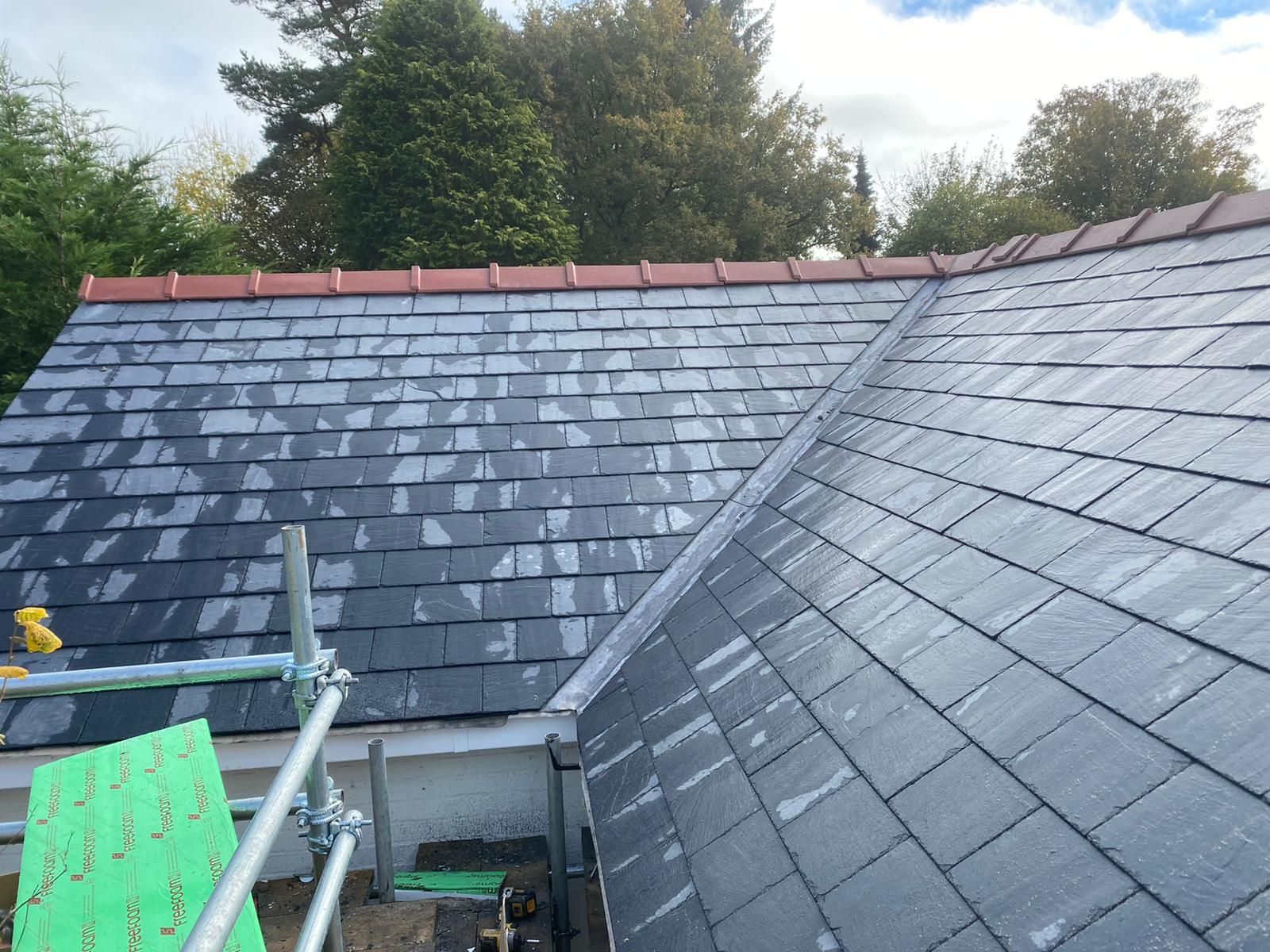
Welsh and Spanish natural slate, laid in diminishing courses where the original roof demands it. Reclaimed slate sorted and re-hung, new slate holed and matched to the existing sizes, and copper or stainless fixings that will outlast the covering.
Clay Peg & Plain Tiling
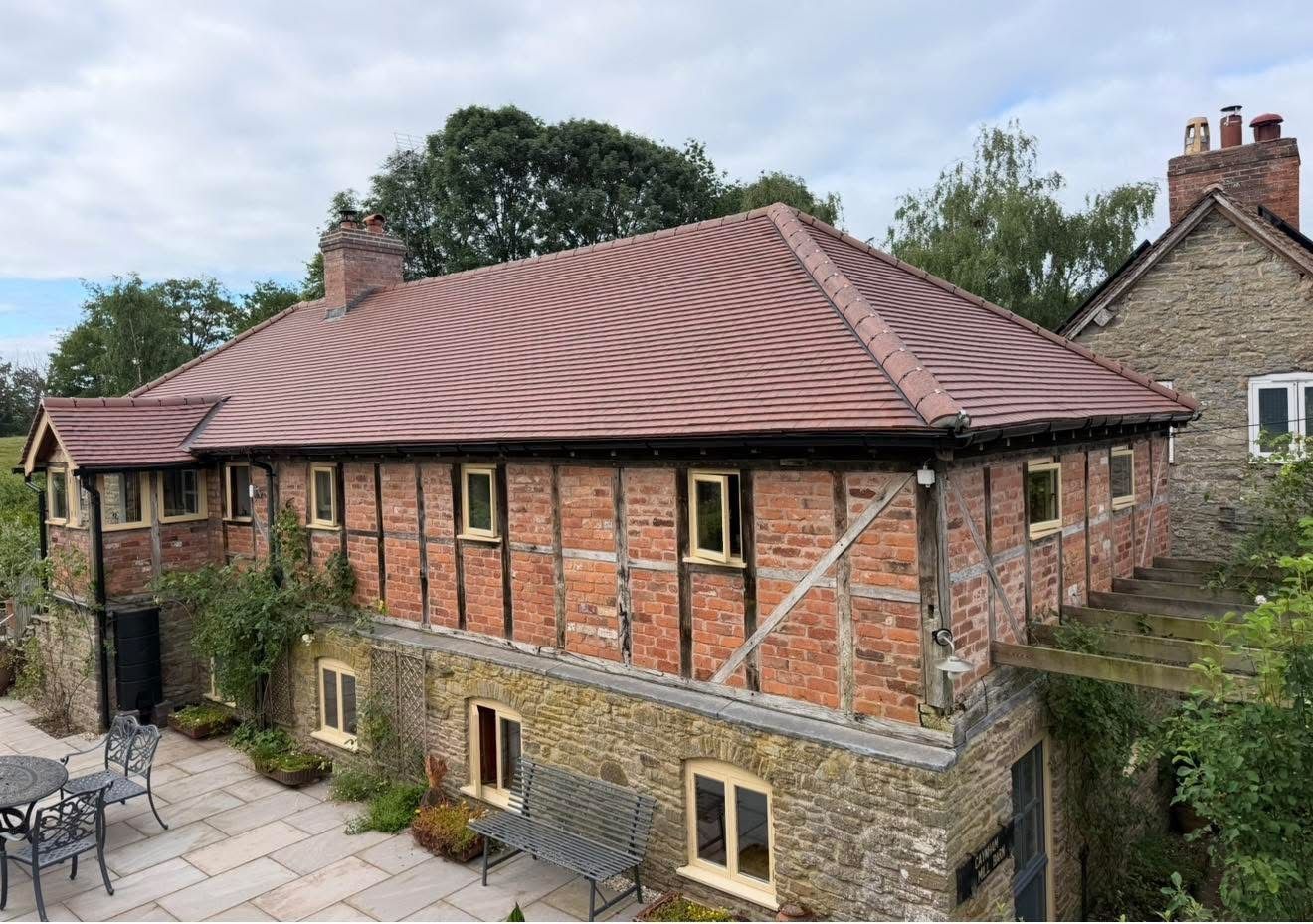
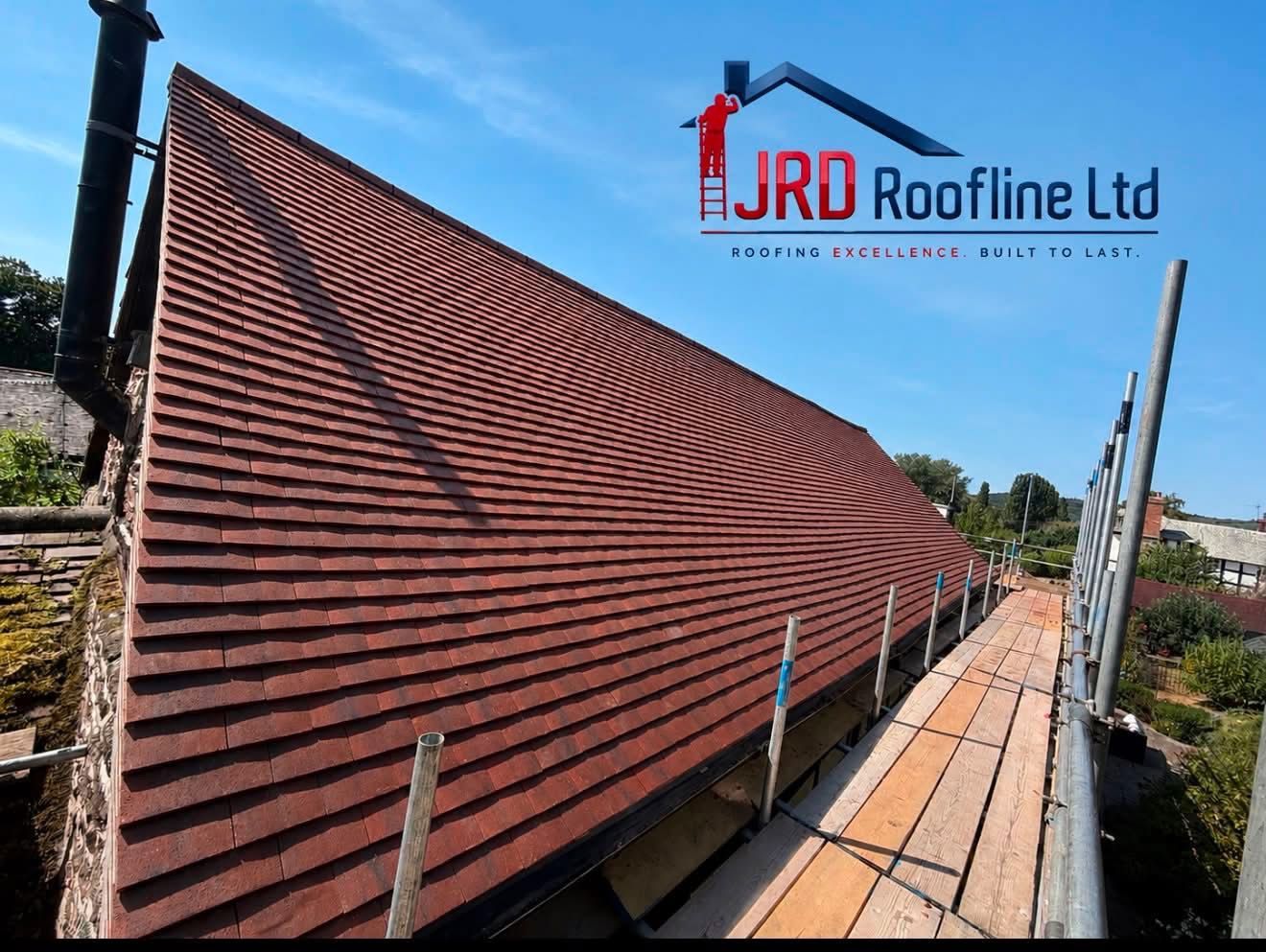
Hand-made and hand-sorted clay peg tiles, plain tiles and traditional clay ridges, the roof covering of choice across much of rural Herefordshire. Correct laps, tile-and-a-half at verges, and hand-cut valleys rather than a plastic trough.
Hand-Formed Leadwork
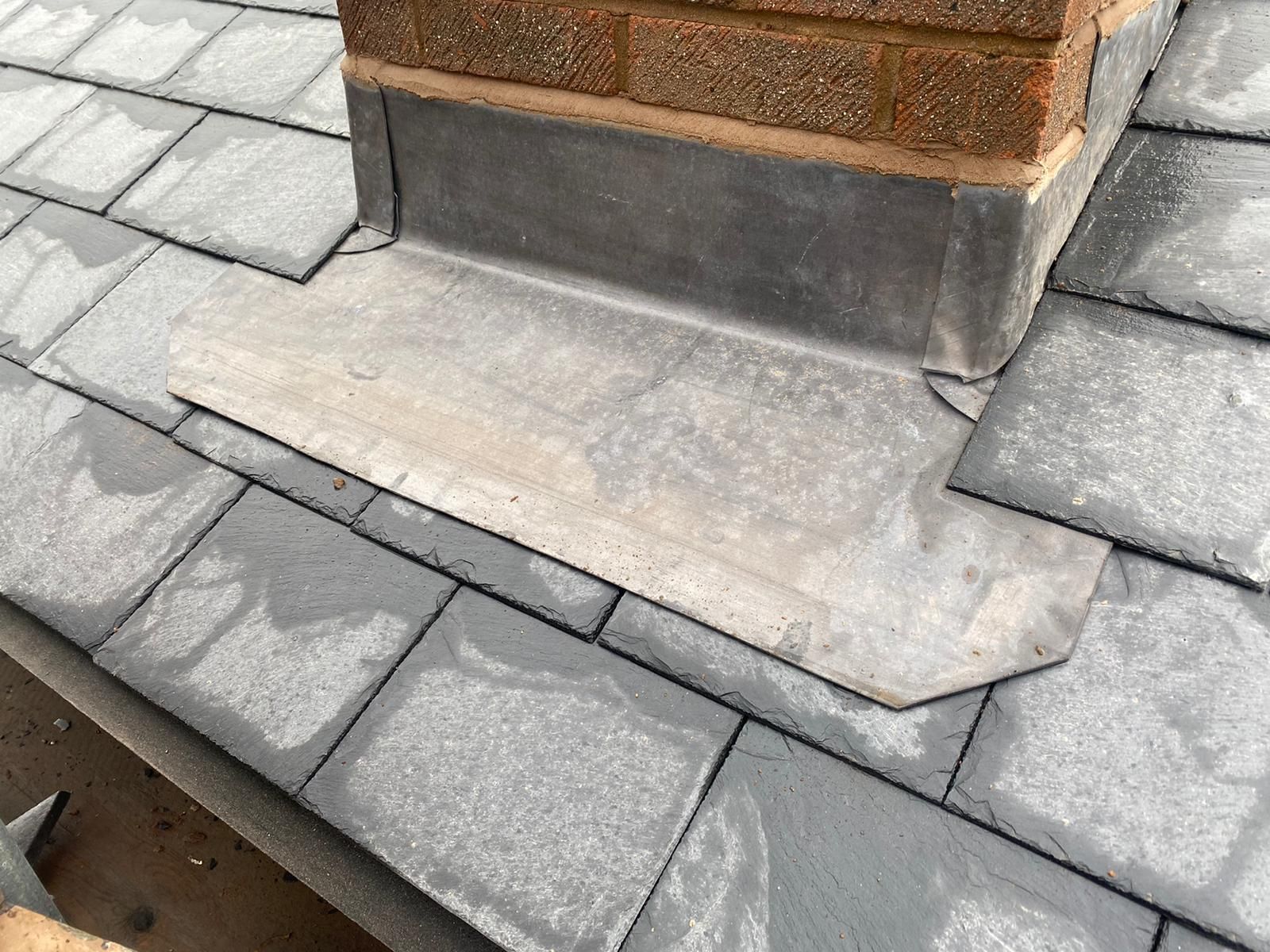
Bossed and welded lead in the correct code for the detail: chimney soakers, back gutters, apron and step flashings, valley and parapet gutters, dormer cheeks, bay tops and decorative lead. Traditional joints and correct bay lengths so the lead can move without splitting.
Chimney Rebuilding & Repointing
Leaning, eroded and blown chimney stacks taken down and rebuilt to the original profile, reusing the sound bricks or stone. Repointed in a lime mortar matched to the existing, with new flaunching, pots and lead trays as required.
Roof Timber & Frame Repair
Rotten rafter feet, wall plates, purlins and truss ends spliced with new oak or softwood scarf repairs rather than wholesale replacement. We strengthen historic structure where we can, and only renew where the timber has gone past saving.
Breathable Build-Ups & Ventilation
Vapour-permeable underlays, ventilated ridges and eaves, and insulation detailing designed for solid-wall buildings, so the roof space dries out instead of trapping moisture in three-hundred-year-old oak.
Cast Iron & Traditional Rainwater Goods
Cast iron and cast aluminium gutters, hoppers and downpipes repaired, refixed or replaced in the original profile, the correct finish on a period elevation, where modern plastic looks wrong and often is not permitted.
Conservation Rooflights
Slim, flush-fitting steel conservation rooflights that sit within the plane of the roof, usually the only style a conservation officer will accept on a visible slope, and a far better match than a bulky modern unit.
Sympathetic Repairs
Not every period roof needs replacing. Slipped slates re-hung, failed flashings renewed, valleys re-lined and localised timber repairs carried out, keeping as much original fabric as possible and spreading the cost over time.
Working on a Listed Building or in a Conservation Area
If a building is listed, most roof work beyond genuine like-for-like repair needs listed building consent from the local planning authority before it starts. Doing the work first and asking afterwards is a criminal offence, not a paperwork slip, and it is the owner who carries the risk.
We are used to this process and we will not push you into work that puts you the wrong side of it.
- Photographed survey of the existing covering, structure and details, suitable for submitting with an application
- Material specifications and sample slates or tiles for your conservation officer to approve
- Method and justification written in the terms a heritage officer expects to read
- Work carried out to the approved specification, with a photographic record kept as we go
We work alongside your architect, surveyor or conservation officer where one is involved, and we are happy to speak to the planning department directly on your behalf.
A 1700s Timber-Framed Farmhouse
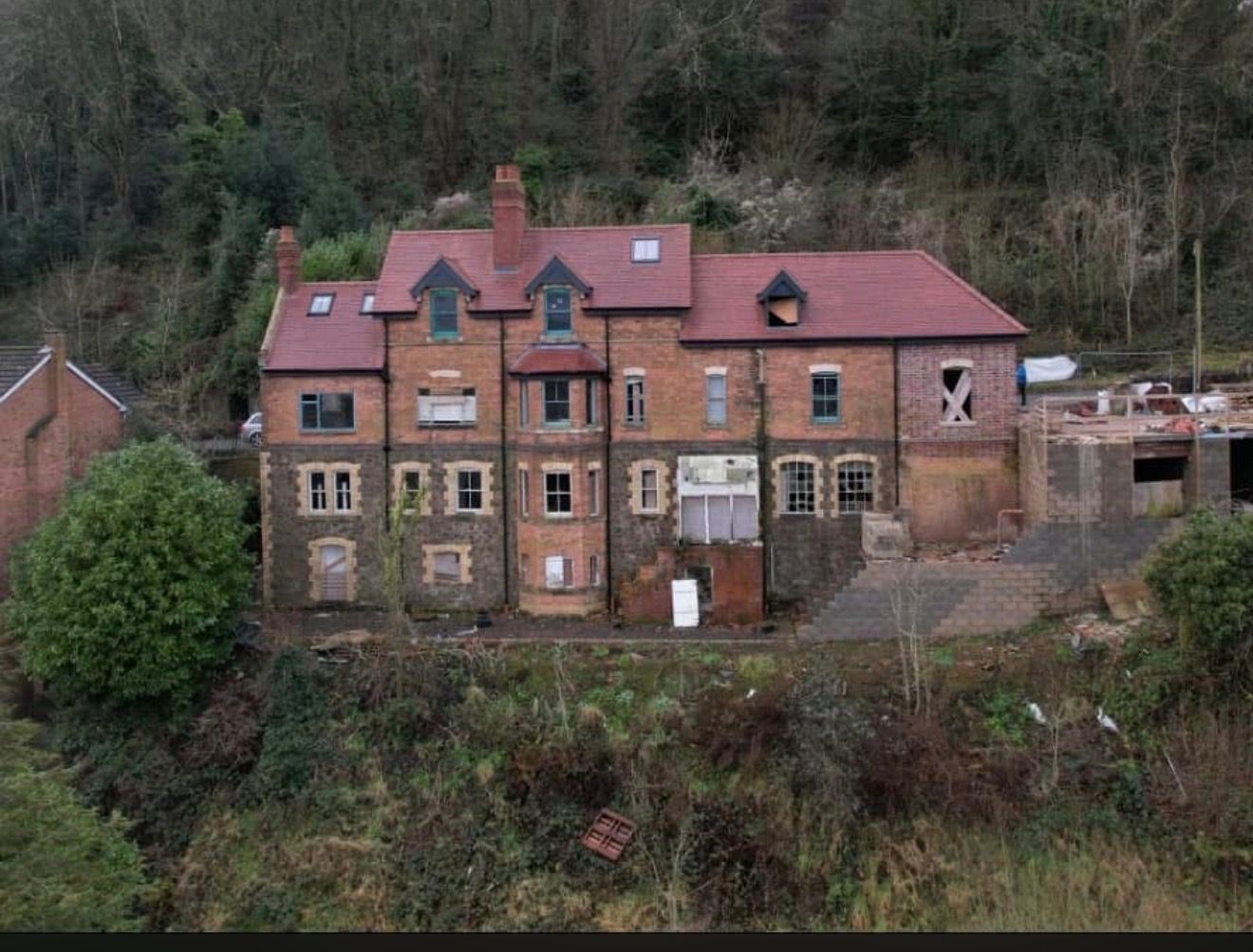
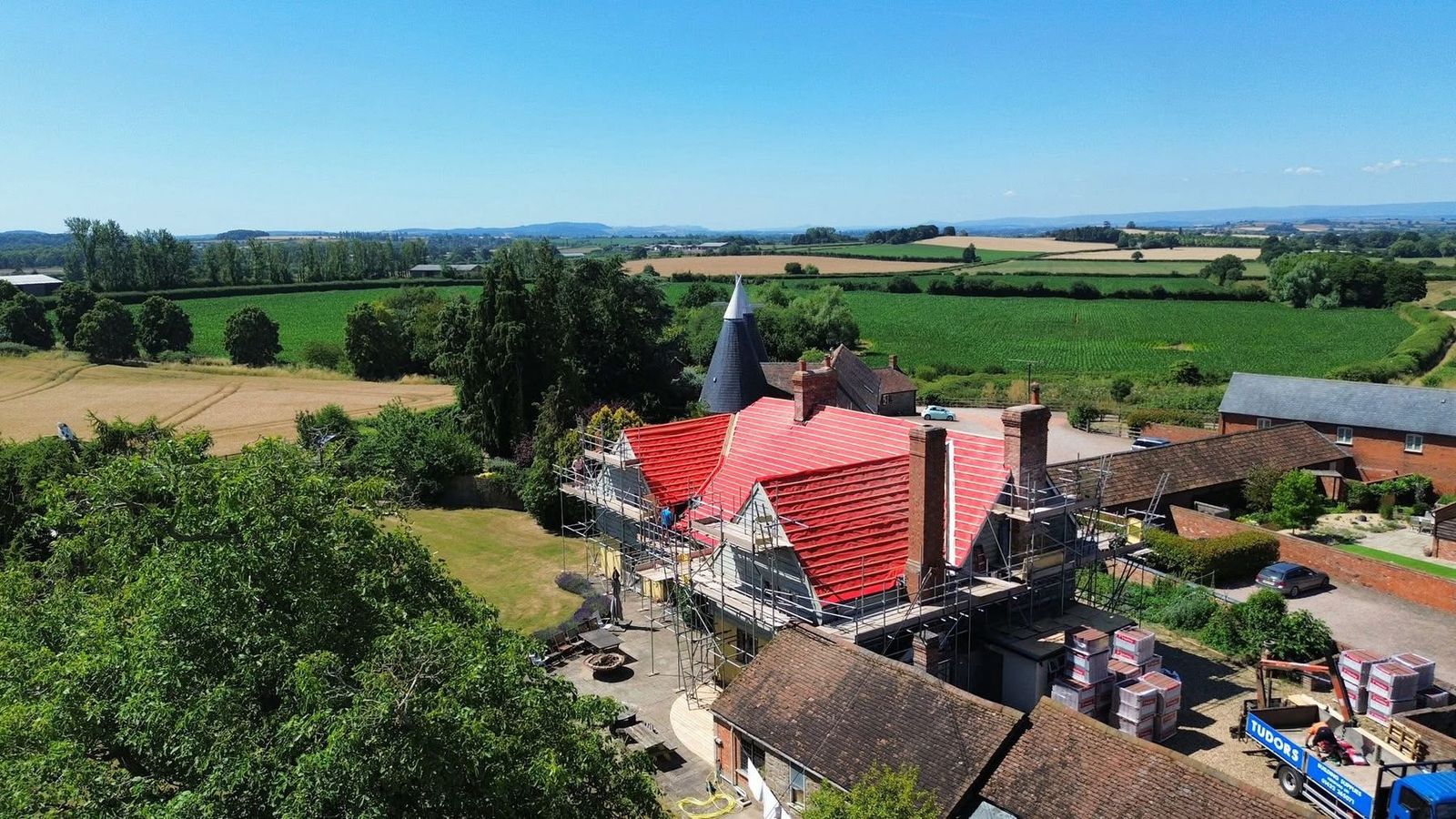
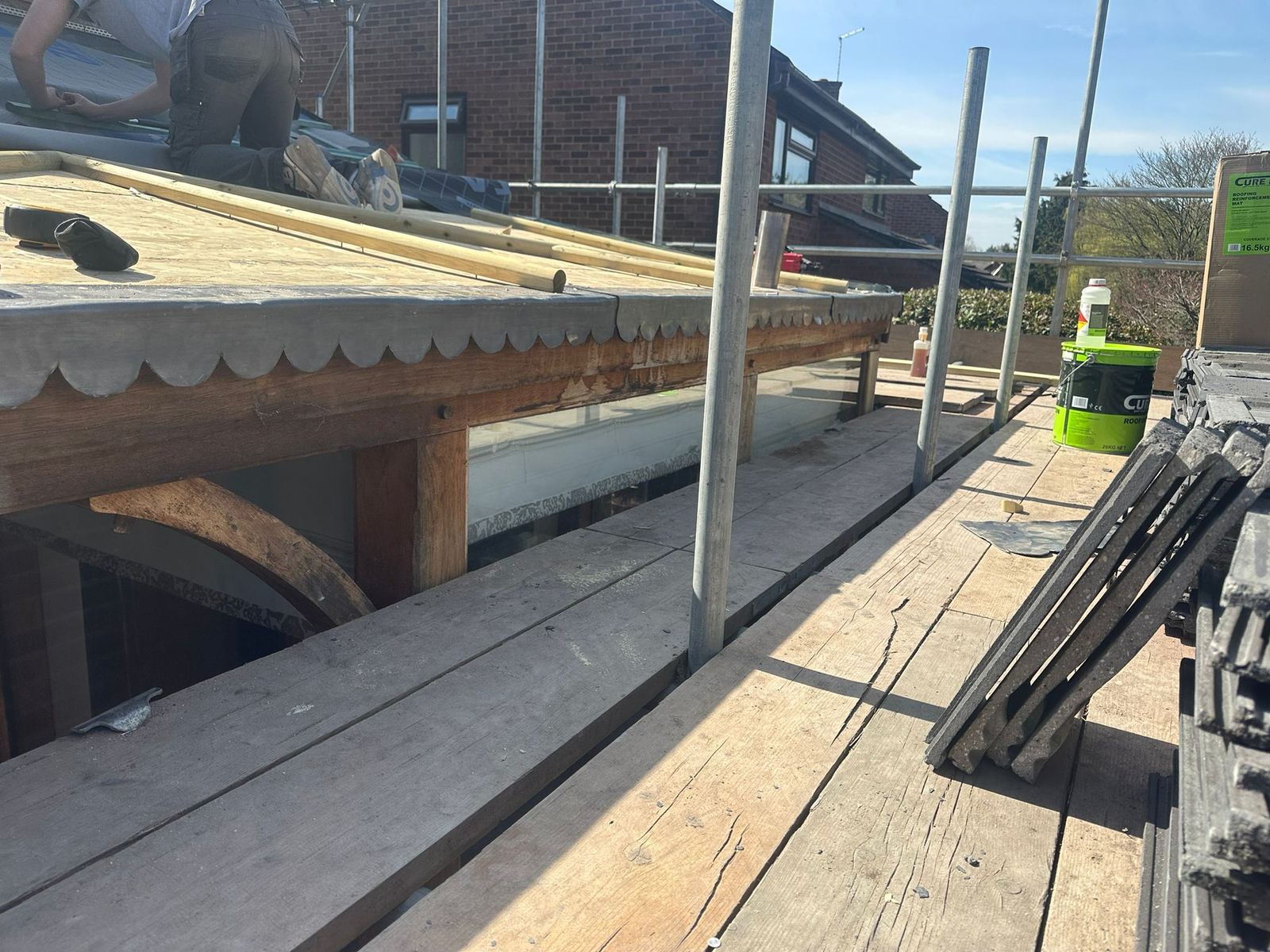
One of our larger heritage projects involved replacing the majority of a house roof, including an early timber-framed section dating from the 1700s. Once the covering was stripped, a great many of the original timbers were found to be rotten, and each one had to be assessed, then strengthened or replaced before any new covering could go back on.
That is the reality of heritage roofing: the quotation you get at survey stage is based on what can be seen, and the real condition of a three-hundred-year-old frame only reveals itself when the slates come off. We handle it by keeping you informed at every stage, photographing what we find, and agreeing any additional work with you before we carry it out, never presenting it as a surprise on the final invoice.
The customer’s own review of that job noted that the team were friendly, very committed to the quality of the work, and attentive to the small details. On an old building, the small details are the job.
Traditional Materials, Traditional Detailing


Heritage Roofing Questions
Genuine like-for-like repair, meaning re-hanging slipped slates, renewing a flashing, replacing broken tiles with matching ones, normally does not need consent. Anything that changes the appearance or fabric of the roof usually does, including changing the covering material, altering the structure, or adding rooflights, vents or solar panels. If you are unsure, ask your local conservation officer before work starts. We will tell you honestly which side of the line your job falls on, and we will not start work that needs consent until it is in place.
Nearly always. We start by salvaging and sorting everything sound from the existing roof, so the original material goes back on the most visible slopes. Anything we need to make up we source as reclaimed stock or as new slate and tile matched for size, colour and texture. We can bring samples to site for you, or your conservation officer, to approve before we order.
Old brick, stone and timber buildings are designed to breathe: moisture moves in and evaporates back out through soft mortar joints. Modern cement mortar is hard and impermeable, so it traps that moisture in the masonry instead, where it causes the brick and stone faces to spall and frost-damage, and rots the timbers behind. Lime mortar stays permeable and is softer than the material around it, so it sacrifices itself rather than the historic fabric.
On period roofs it is common, and we plan for it. We photograph what we find, talk you through the options, splicing and strengthening where possible, replacing only where the timber is beyond repair, and agree the cost with you before we carry out the additional work. You will never find unexpected extra work simply added to your final bill.
Yes, but it has to be detailed for a breathable building rather than treated like a modern new-build. That usually means vapour-permeable underlays, a ventilated void, and insulation that allows moisture to pass rather than trapping it against historic timber. Sealing an old roof up tightly with the wrong materials is one of the most common causes of rot in listed buildings, and it often shows up years after the work was done.
All UK bat species and their roosts are protected by law, whether bats are present at the time or not, and it is an offence to disturb them. Old roofs in rural Herefordshire frequently have roosts. If we find evidence during survey we will stop and advise you to get an ecologist’s assessment before work proceeds. It protects the wildlife and it protects you.